Source Headlamp Lens for Automotive Repair and Outdoor Gear
Compare 30 verified headlamp lens options from Chinese manufacturers. Buyers can evaluate steel and glass materials, IP65 protection levels, and customization services for automotive repair and outdoor lighting applications; compare the available evidence and request quotations based on your requirements.
Key considerations
Products List


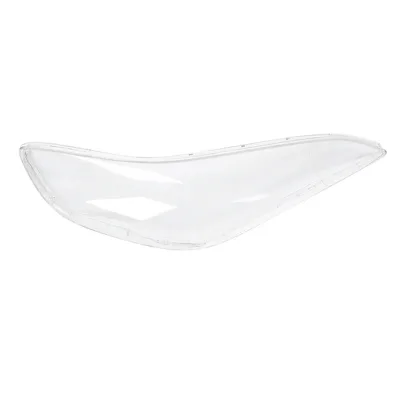


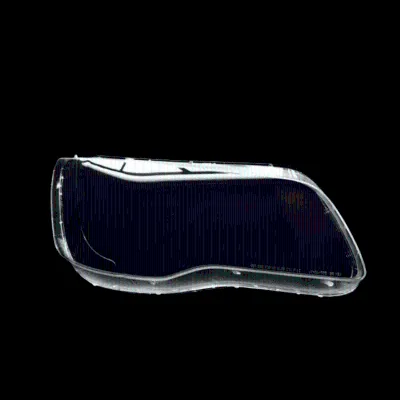




Comprehensive Sourcing Guide
Headlamp Lens Sourcing Guide
Sourcing headlamp lenses requires a disciplined approach to aligning optical performance with mechanical fitment, particularly when dealing with automotive or industrial applications. Buyers must first distinguish between the lens as a standalone optical component and the complete headlamp assembly, as the procurement strategy differs significantly for each. The core keyword "headlamp lens" often intersects with broader categories such as headlamp covers, glass replacements, and front position lamps, necessitating precise filtering of supplier listings to avoid misinterpretation of product scope.
Procurement teams should prioritize suppliers who provide clear model numbers and OE references, as generic descriptions frequently lead to compatibility errors. The observed market data indicates a wide variance in product specifications, ranging from simple replacement covers to complex optical units with specific protection levels. Establishing a clear definition of the required component early in the sourcing process ensures that technical evaluations focus on the correct attributes, such as material transparency, mounting geometry, and environmental sealing capabilities.
Product Scope and Observed Listing Signals
The current market landscape for headlamp-related components reveals a diverse array of product types, including steel-based structural parts, electronic lighting units, and optical glass replacements. Listings frequently mix automotive replacement parts, such as those for Hyundai Elantra, with general-purpose lighting accessories like hiking and camping lamps. This heterogeneity requires buyers to carefully scrutinize product titles and descriptions to isolate true headlamp lenses from unrelated items like corrosion-resistant steel brackets or wooden-boxed electronic devices.
Observed listing signals highlight significant variations in packaging and origin, with many products originating from China and utilizing standard carton or wooden box packaging. Some entries specify detailed dimensions, such as 70x55x50mm for portable units, while others reference standard sizes for automotive applications. Buyers must verify whether the listed item is a direct replacement for an existing lens or a complete assembly, as the latter may include internal reflectors and bulbs that are not required for a simple lens swap.
Technical Specifications to Verify
Technical verification begins with confirming the material composition and optical clarity of the lens, as these factors directly impact light transmission and durability. While some listings mention steel or corrosion-resistant materials, true headlamp lenses typically require high-grade polycarbonate or glass with specific refractive indices. Buyers should request detailed specifications regarding irradiation distance, lighting time, and multifunction capabilities, particularly if sourcing for applications requiring specific beam patterns or operational modes like flash or half-brightness settings.
Mechanical fitment is equally critical, requiring precise verification of model numbers and OE references to ensure compatibility with existing vehicle or equipment frames. The presence of specific model identifiers, such as WG9719720002 or IPK-TY-01812, provides a baseline for cross-referencing with manufacturer databases. Additionally, buyers must assess protection levels, such as IP65 ratings, and atmospheric pressure tolerances, which are essential for ensuring the lens can withstand environmental stresses without fogging or cracking during operation.
Compliance and Safety Documentation
Compliance verification is paramount when sourcing headlamp lenses, as these components often fall under strict regulatory frameworks governing automotive and industrial lighting. Buyers must ensure that suppliers provide valid certifications, such as CCC, ISO, CE, and RoHS, which attest to the product's adherence to safety and environmental standards. The absence of these certifications can lead to significant legal and operational risks, particularly in markets with stringent import regulations for lighting equipment.
Documentation should also include detailed test reports and quality assurance records that verify the lens's resistance to water, corrosion, and physical impact. While some listings mention high-quality standards or original copy options, buyers must demand tangible evidence of these claims through third-party testing or factory audits. Ensuring that the supplier can provide comprehensive compliance documentation helps mitigate the risk of receiving non-conforming products that fail to meet regulatory requirements.
Cost Drivers and Commercial Terms
Cost drivers for headlamp lenses include material quality, manufacturing complexity, and the level of customization required. Products with specific model numbers or OE references often command higher prices due to the precision engineering involved in their production. Buyers should also consider the impact of packaging and shipping methods, as items requiring wooden boxes or specialized ocean freight may incur additional logistics costs that affect the total landed price.
Commercial terms such as MOQ and warranty periods significantly influence the overall procurement strategy. Observed MOQ ranges vary widely, from single items to thousands of units, allowing buyers to scale their orders based on demand forecasts. Warranty provisions, typically ranging from one year, provide a safety net against premature failures, but buyers must clarify the terms of coverage and the process for claiming replacements to ensure adequate protection for their investment.
Supplier Qualification and Quality Control
Supplier qualification involves a rigorous assessment of the manufacturer's capabilities, including their production capacity, quality control processes, and after-sales support. Buyers should prioritize suppliers who offer OEM and ODM services, as this indicates a higher level of technical expertise and flexibility in meeting specific design requirements. Verifying the supplier's history of producing high-quality components and their ability to maintain consistent standards across production batches is essential for long-term success.
Quality control measures should be established early in the partnership, including pre-shipment inspections and sample approvals. Buyers must ensure that the supplier implements robust testing protocols to verify the lens's optical performance, mechanical integrity, and environmental resistance. Establishing clear communication channels for addressing quality issues and defining acceptable defect rates helps maintain product consistency and minimizes the risk of supply chain disruptions.
Long-Term Procurement Checks
Long-term procurement success depends on continuous monitoring of supplier performance and market trends. Buyers should regularly review supplier delivery times, product quality metrics, and compliance status to ensure ongoing alignment with business objectives. Staying informed about changes in regulatory standards and technological advancements in lighting technology allows buyers to proactively adjust their sourcing strategies and maintain a competitive edge.
Building a resilient supply chain involves diversifying suppliers and maintaining strong relationships with key partners. Buyers should periodically reassess their supplier base to identify potential risks and opportunities for cost optimization. By maintaining a disciplined approach to supplier management and quality assurance, buyers can ensure a steady supply of high-quality headlamp lenses that meet their operational needs and regulatory requirements.
FAQs
What materials are commonly used for headlamp lens products?
Headlamp lens covers are commonly made from steel or engineered transparent plastics depending on the application. Steel components appear in listings on this page, while automotive lens covers may use polycarbonate for clarity and impact resistance. Buyers should confirm the exact material with suppliers before ordering, since material choice affects durability, corrosion resistance, weight, and compatibility with the intended vehicle or equipment model.
Can headlamp lens products be customized to my requirements?
Yes, customization is available for headlamp lens products listed on this page. Suppliers support OEM and ODM services, so buyers can request specific sizes, colors, materials, or packaging arrangements. Customization typically requires clear drawings, samples, or detailed specifications from the buyer. Contact the supplier with your technical requirements to confirm feasibility, tooling needs, and any effect on minimum order quantities or delivery schedules.
Which certifications should I look for when sourcing headlamp lens items?
Listed headlamp lens products carry certifications such as CCC, ISO, CE, and RoHS. The right certification depends on your destination market: CCC applies to China-market products, CE and RoHS support European compliance, and ISO relates to quality management systems. Always request valid certificate copies from suppliers and verify them independently, since certification requirements vary by product type and importing country.
How are headlamp lens products typically packed for shipping?
Packing options on this page include ocean freight packaging, wooden boxes, cartons, standard boxes, and double blister packaging. The choice depends on product fragility, order size, and transport mode. Headlamp glass and lens covers usually need protective cushioning to prevent scratches or breakage in transit. Confirm the packing method, carton dimensions, and gross weight with your supplier before confirming the shipment arrangement.
What is the condition and purpose of the listed headlamp lens products?
The headlamp lens products listed are new and intended for replace or repair purposes. Some items serve as front position lamp components or head lamp covers, and one listing is matched to the OE number for the Hyundai Elantra. When sourcing, verify the model number and OE reference against your vehicle or equipment to ensure correct fitment before placing an order.
Which headlamp lens options suit harsh or outdoor environments?
Some lighting products in this category offer IP65 protection, corrosion resistance, and explosion-proof marking Exdi, making them suitable for demanding industrial or outdoor conditions. Operating atmospheric pressure ranges from 80kPa to 100kPa for certain models. For headlamp lens covers specifically, confirm waterproofing ratings and material resistance with the supplier, since these attributes differ between automotive and industrial lighting products.
How do I confirm a headlamp lens fits my vehicle model?
Check the model number and OE number against your vehicle specification. For example, one listing references OE numbers for the Hyundai Elantra with corresponding model numbers. Provide your vehicle make, model, year, and original part number to the supplier for verification. Requesting a sample or detailed dimensional drawing before bulk ordering helps avoid fitment errors and costly returns.
Can I order headlamp lens products in small quantities first?
Minimum order quantities vary across listings, with observed MOQs ranging from single items to larger wholesale quantities. Many suppliers accept sample orders or trial purchases so buyers can evaluate quality before committing to volume. Discuss trial order possibilities directly with suppliers, and confirm whether unit pricing, packaging, and lead times change when you scale up to full production quantities.